Reset Your Home for 2026: Creating Calm for the Season of Staying In
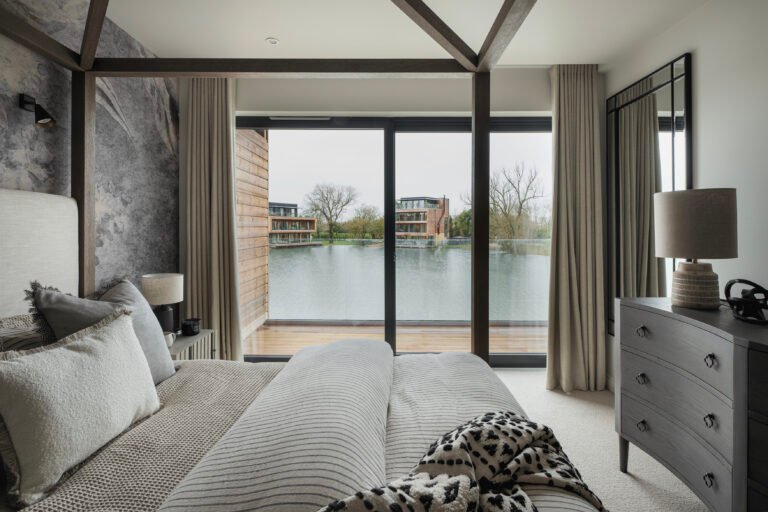
As we step into 2026, one thing is clear: how we use our homes has changed for good.
We’re staying in more. Resting more. Hosting differently. Working, unwinding, and reconnecting all under one roof. Home is no longer just where life happens in between everything else. It is the experience.
That’s why resetting your home for the year ahead isn’t about chasing trends or overhauling everything you own. It’s about creating calm. Thoughtful spaces. Interiors that support how you actually want to live.
This year’s interior reset is less about aesthetics alone and more about how your home makes you feel.
Why 2026 Is the Year of Calm Interiors
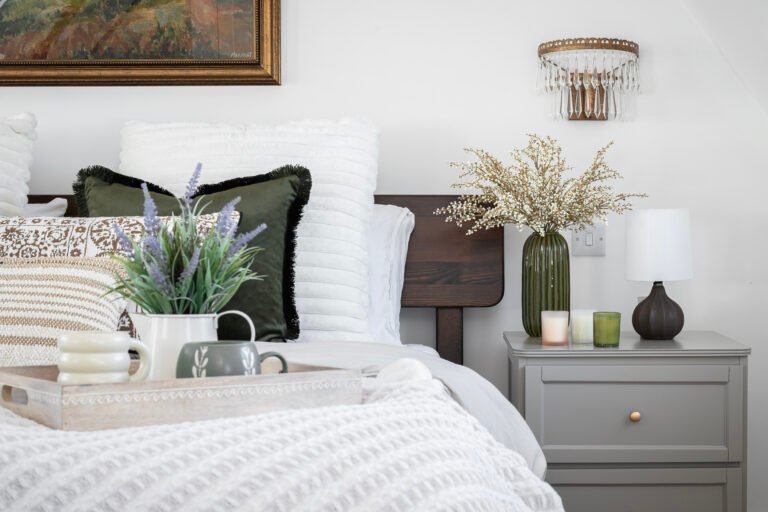
The past few years have reshaped our priorities in a big way. In 2026, interior design is moving firmly away from overstimulation and toward spaces that feel grounding, restorative, and deeply personal.
Comfort-led design that supports everyday living is becoming a priority, alongside the use of natural materials and tactile finishes. Homeowners are increasingly drawn to spaces that feel genuinely lived in rather than carefully staged.
Instead of performative interiors designed for social media, homeowners are craving warmth, ease and quiet confidence. Calm interiors are no longer a luxury. They’re a necessity.
Step One: Declutter with Intention
A true home reset starts with editing, not buying.
Clutter creates visual noise, and visual noise increases stress, even when we don’t consciously realise it. Before introducing anything new, take time to reassess what already exists in your space.
A helpful way to approach decluttering is to consider whether each item serves a practical purpose or brings genuine joy, whether it supports how you want to live in 2026, and whether it contributes to a calm and balanced atmosphere within your home.
Interior design tip: calm homes aren’t empty. They’re intentional. Negative space allows your eye (and mind) to rest, creating a sense of ease and clarity.
Step Two: Embrace Soft, Grounded Colour Palettes
Colour plays a huge role in how a space feels, and for 2026, calming interiors are leaning towards palettes that feel warm, organic, and grounding, such as sand, oat, and soft taupe, paired with muted earth tones like clay, moss, and stone. Dusty pastels including sage green, pale terracotta, and misty blue are also being used to introduce subtle colour without overwhelming the space.
High-contrast schemes and stark whites are giving way to hues that envelop rather than shout. Layering similar tones adds depth without overwhelming the space.
Pro tip: subtle variation within a single colour family creates interest while maintaining visual calm.
Step Three: Prioritise Comfort-Driven Furniture
In the season of staying in, furniture needs to feel as good as it looks.
Comfort is no longer an afterthought. It’s the foundation.
Comfort is taking centre stage in furniture choices, with a focus on deep, lounge-friendly seating, rounded silhouettes that soften a room, and upholstered pieces in tactile fabrics such as bouclé, linen, or wool blends.
The goal isn’t perfection or polish. It’s invitation. A calm home encourages you to sit down, slow down, and truly relax.
Step Four: Design With Natural Materials
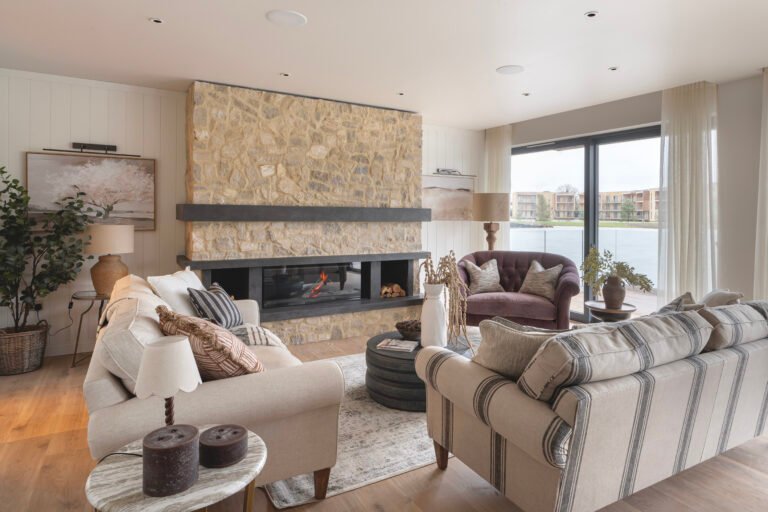
Nature has an incredibly grounding effect, and 2026 interiors reflect that connection more than ever.
Natural materials are playing a key role in creating calm interiors, including wood with visible grain, natural stone or limewash finishes, woven textures such as jute, rattan, or wool, and handcrafted ceramic elements that add warmth and character to a space.
These materials bring warmth, texture, and a sense of timelessness that synthetic finishes simply can’t replicate. They also offer a beautiful opportunity to support local makers and artisans.
Step Five: Create Zones for Slow Living
Open-plan living isn’t disappearing, but it is evolving.
Rather than relying on one multi-use space, homes are being thoughtfully zoned to support different moments throughout the day. This might include a quiet reading corner with layered lighting, a calm morning nook for coffee or journaling, a bedroom that’s free from work and screens, or a living room layout designed to encourage conversation and connection.
Zoning helps your home work with your lifestyle instead of fighting against it.
Step Six: Rethink Lighting for Emotional Comfort
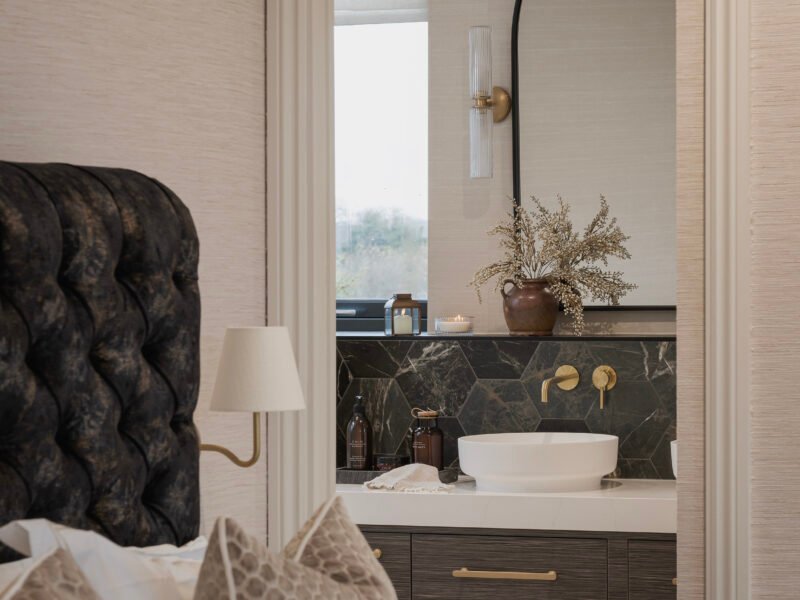
Lighting is one of the most powerful and overlooked tools in interior design.
Creating a calm atmosphere through lighting involves using warm light temperatures, layering ambient, task, and accent lighting, incorporating dimmers where possible, and relying more on table and floor lamps instead of harsh overhead lighting.
Think glow, not flare. Soft lighting instantly changes how a space feels and how you experience it.
Step Seven: Style With Meaning, Not Excess
When it comes to accessories, less really is more.
Styling in a calm home is about choosing fewer, more intentional pieces. Larger statement objects, artwork that holds personal meaning, and items that reflect your story help create a space that feels considered rather than cluttered.
A calm home doesn’t shout for attention. It whispers. Every piece should feel intentional rather than simply filling space.
Resetting Your Home Is a Mindset Shift
Resetting your home for 2026 isn’t about buying more. It’s about aligning your space with how you want to feel.
As staying in becomes the new luxury, calm becomes the most valuable design feature of all.
When your home supports rest, creativity, and connection, everything else feels lighter. Easier. More grounded.
And that’s what truly timeless design is about.